
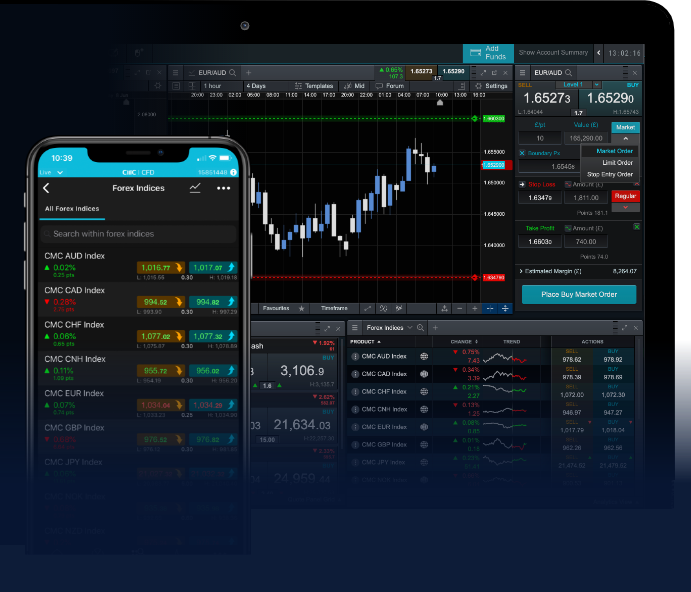
Forex trading signals are essential tools for traders looking to capitalize on market opportunities. These signals are generated through analysis or algorithms and guide traders on when to buy or sell currency pairs. One of the top reasons traders rely on these signals is the ability to make informed decisions quickly. For those interested in trading, it’s crucial to find the right resources. Check out the forex trading signals Best South African Brokers for a good start in your trading journey.
What Are Forex Trading Signals?
Forex trading signals are indications that suggest when to enter or exit a trade. They can be provided in various formats, including newsletters, apps, or automated systems. These signals are determined by analyzing market data and trends, with the goal of helping traders make decisions backed by actionable insights. Signals may be based on technical analysis, which involves charts and indicators, or fundamental analysis, which looks at economic news and events impacting currency values.
The Types of Forex Trading Signals
There are primarily two types of forex trading signals: manual and automated.
1. Manual Signals
Manual signals are typically generated by experienced traders or analysts who study various market indicators and publish their findings. These signals may include specific buy/sell recommendations and the reasons behind these suggestions. Traders using manual signals often benefit from the trader’s expertise and market perspective. However, following manual signals requires discipline, as traders still need to analyze the market independently.
2. Automated Signals
Automated signals are generated through algorithms and trading software that analyze market data in real-time. These systems use predefined criteria to identify potential trading opportunities and can notify traders about suitable times to act. While automated signals can process vast amounts of data quickly, they may lack the flexibility and contextual understanding that experienced traders can provide.
How to Use Forex Trading Signals Effectively
Using forex trading signals effectively involves a strategic approach combined with sound risk management principles.
1. Understand the Sources
Before relying on trading signals, it’s vital to consider their sources. Signals generated from reputable providers with a proven track record are more likely to yield positive results. Researching the credibility of a signal provider is essential to ensure you are receiving high-quality insights.

2. Cross-Reference Signals
It’s wise to cross-reference signals from multiple sources before making trading decisions. This practice helps to confirm the validity of the signal and reduces the chances of losses due to relying on a single perspective. Using a combination of manual and automated signals can also provide a more balanced view of the market.
3. Practice Risk Management
No matter how reliable a trading signal may seem, there are inherent risks involved in trading. Implementing sound risk management strategies is crucial to protect your capital. Techniques such as setting stop-loss and take-profit levels can help mitigate potential losses.
4. Keep Learning and Adapting
The forex market is dynamic, and strategies that work today may not be as effective tomorrow. Continuously learning and adapting your approach to trading is vital for long-term success. Following market news, learning from past trades, and adjusting strategies based on performance can aid in improving your trading outcomes.
Benefits of Using Forex Trading Signals
Forex trading signals come with several advantages:
1. Time Efficiency
Analyzing the forex market can be time-consuming, especially for novice traders. Trading signals save time by providing ready-made recommendations based on analysis.
2. Improved Decision-Making
With clear signals detailing when to enter or exit trades, traders can make quicker and more informed decisions, leading to potentially higher profitability.
3. Learning Resources
Following trading signals allows traders to learn from experienced professionals. Understanding the rationale behind the signals can deepen a trader’s market knowledge.
4. Increased Trading Frequency
With alerts for potential trading opportunities, traders can act quickly and increase their trading frequency, ultimately leading to more potential profit opportunities.
Challenges of Forex Trading Signals
While trading signals can be beneficial, they also come with challenges:
1. Risk of False Signals
No signal can guarantee success, and false signals can lead to losses. Traders must remain vigilant and conduct their analysis to verify signals.
2. Over-Reliance on Signals
Some traders may become overly reliant on signals, neglecting their market research and analysis. Developing independent trading skills is essential for sustainability.
3. Costs of Services
Many providers charge fees for their signals, which can eat into trading profits. It’s essential to evaluate whether the value provided justifies the costs incurred.
Conclusion
In the fast-paced world of forex trading, having access to reliable trading signals can make all the difference in a trader’s performance. By understanding the types of signals available, how to use them effectively, their benefits, and potential challenges, traders can navigate the market more skillfully. Remember that while trading signals can be a valuable tool, they shouldn’t replace personal judgment, continuous learning, and risk management strategies. As you embark on your trading journey, consider the Best South African Brokers to help you trade wisely.