

Understanding Forex Trading: A Comprehensive Definition and Guide
Forex trading, or foreign exchange trading, refers to the global marketplace where different currencies are bought and sold against one another. It operates 24 hours a day, five days a week, and is one of the largest and most liquid markets in the world. This article aims to provide a comprehensive definition of Forex trading, explain its mechanics, and offer insights into how to begin trading effectively. For those interested in exploring the various options available for Forex trading, you can learn about the forex trading definition Best Platforms for Trading.
What is Forex Trading?
Forex trading involves the exchange of one currency for another at an agreed price. It is facilitated through brokers and financial institutions that act as intermediaries between the buyers and sellers of currencies. Unlike stock markets, where trading occurs on centralized exchanges, Forex trading takes place over-the-counter (OTC), meaning trades happen directly between participants via online platforms.
The Currency Pairs
In Forex, currencies are always traded in pairs. Each currency pair consists of a base currency and a quote currency. For example, in the pair EUR/USD, the Euro (EUR) is the base currency, and the US Dollar (USD) is the quote currency. The exchange rate indicates how much of the quote currency is needed to purchase one unit of the base currency. Understanding currency pairs is crucial for successful trading.
Major, Minor, and Exotic Pairs
Currency pairs are classified into three categories: major pairs, minor pairs, and exotic pairs. Major pairs, such as EUR/USD, USD/JPY, and GBP/USD, are the most commonly traded and feature high liquidity. Minor pairs, such as AUD/CAD or EUR/GBP, are less liquid but can offer unique trading opportunities. Exotic pairs involve a major currency paired with a currency from a developing economy, such as USD/TRY (Turkish Lira), and typically have lower liquidity and higher volatility.
Understanding Forex Quotes
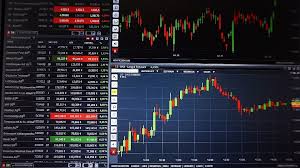
Forex quotes indicate how much of the quote currency is required to purchase one unit of the base currency. A quote is typically presented in a four-decimal format. For instance, if the EUR/USD quote is 1.1200, it means 1 Euro can be exchanged for 1.12 US Dollars. Understanding how to read quotes is fundamental for executing trades.
Leverage and Margin
One of the unique aspects of Forex trading is the ability to use leverage, which allows traders to control larger positions with a smaller amount of capital. For example, a leverage ratio of 100:1 means that a trader can control $100,000 worth of currency with only $1,000 of their own funds. While leverage can magnify profits, it can also amplify losses, making risk management essential for traders.
Types of Forex Trading Strategies
Forex trading strategies can vary widely, depending on the trader’s goals and time horizon. Here are a few common types:
- Scalping: A strategy that involves making quick trades to capitalize on small price movements. Scalpers often hold positions for just a few seconds or minutes.
- Day Trading: Traders open and close positions within the same trading day, aiming to profit from intraday price movements without holding overnight risk.
- Swing Trading: This strategy involves holding positions for several days or weeks to capture price swings. Swing traders tend to analyze both technical and fundamental indicators.
- Position Trading: A longer-term strategy where traders hold positions for an extended period, often based on fundamental analyses of economic trends.
Common Trading Platforms
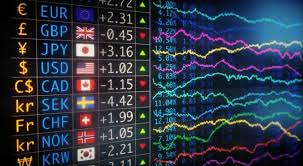
To engage in Forex trading, investors need to select a trading platform that suits their trading style and preferences. Many platforms offer tools for technical analysis, charting, and automated trading. Choosing a reliable platform can greatly impact a trader’s experience and success. It’s advisable to explore user reviews and research various brokers before making a decision.
Risk Management in Forex Trading
Effective risk management is paramount in Forex trading. Traders should never risk more than they can afford to lose. Common risk management techniques include setting stop-loss orders, using proper position sizing, and diversifying trading strategies. Understanding market conditions, volatility, and economic influences are also critical in managing risk effectively.
Getting Started with Forex Trading
Starting in Forex trading can be an exciting venture for those interested in financial markets. Here are some steps to get started:
- Educate Yourself: Understanding the basics of currency trading, market patterns, and economic indicators is crucial. Many resources are available online, including courses, articles, and webinars.
- Choose a Broker: Research and select a reputable Forex broker that provides a trading platform that meets your needs. Look for one with competitive spreads, good customer service, and a user-friendly interface.
- Open a Demo Account: Most brokers offer demo accounts where new traders can practice trading without risking real money. This is an excellent way to familiarize yourself with the trading platform and test your strategies.
- Start Trading: Once you’re comfortable, you can fund a live account and start trading. Begin with small investments and gradually increase your exposure as your skills grow.
Conclusion
Forex trading offers vast opportunities and requires a solid understanding of its principles, mechanics, and strategies. It is essential for traders to educate themselves, develop a robust trading strategy, and manage risks effectively. By doing so, you can navigate the dynamic currency market and work towards your trading goals with confidence.